
Blog
Common Laser Cutting Machine Problems and How to Fix Them
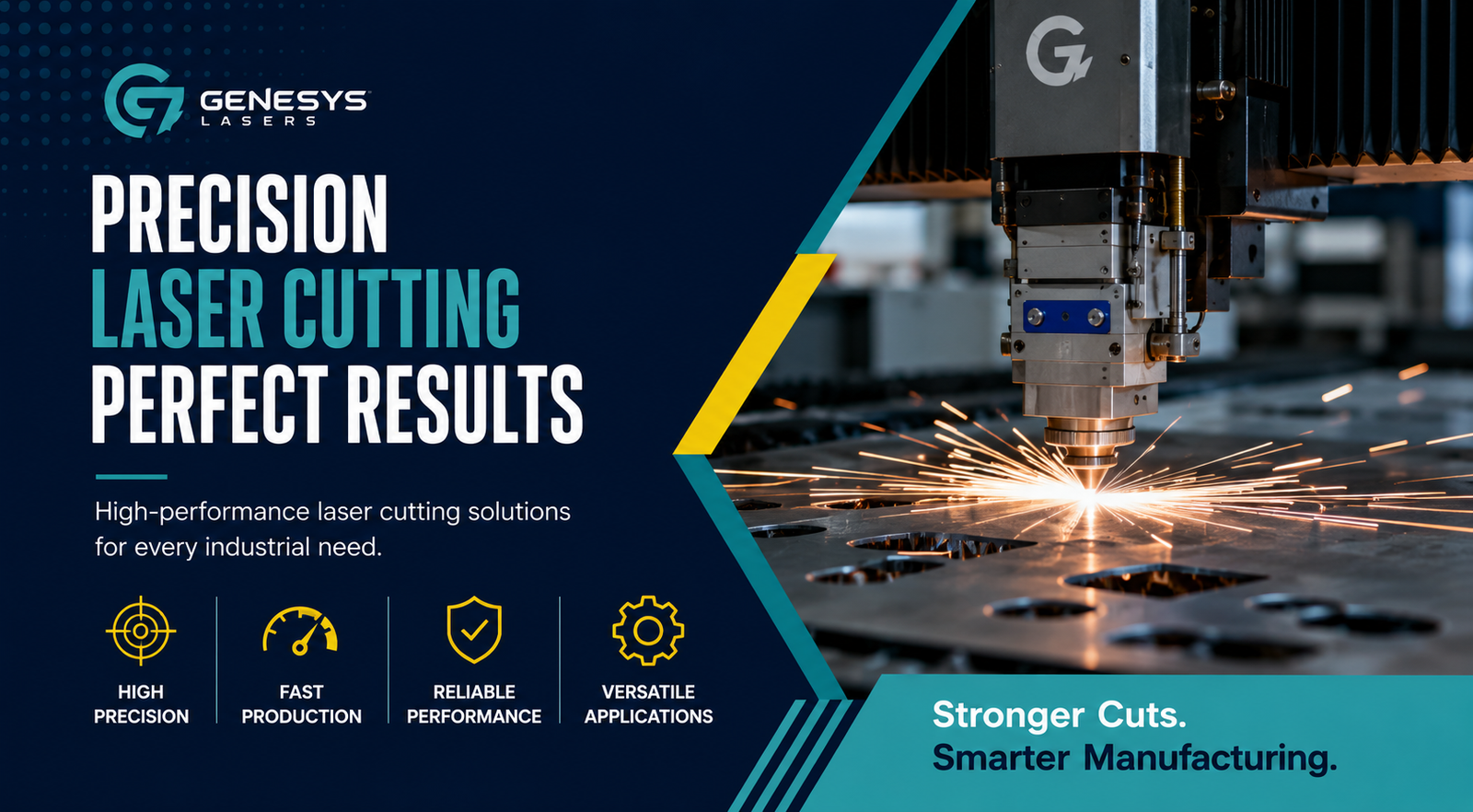
Laser cutting has become an important part of modern manufacturing, especially for industries working with sheet metal, fabrication, engineering components and precision parts. When the machine is running properly, it can deliver fast and accurate cuts with consistent results.
But like any industrial machine, a laser cutting machine can develop problems over time.
Sometimes the issue is easy to identify, such as a damaged nozzle or dirty lens. In other cases, the machine may appear to be working normally while the cutting quality gradually gets worse. Poor edge finish, excessive dross, incomplete cutting and inconsistent results are some of the common problems operators come across.
The good thing is that many laser cutting machine problems can be identified early through regular inspection and preventive maintenance.
In this guide, we will look at some of the common laser cutting machine problems, their possible causes and what can be done to address them.
1. Poor or Uneven Cutting Quality
One of the first signs of a laser cutting machine problem is a noticeable change in cutting quality.
You may see:
- Rough or uneven cut edges
- Inconsistent kerf width
- Excessive dross
- Burn marks
- Incomplete cuts
- Different cutting quality at different positions on the sheet
There can be several reasons behind this issue.
The nozzle may not be in the correct condition, the focus position may have changed, or the lens and protective window may require inspection. Incorrect cutting parameters can also affect the final result.
What to check
Start by checking the nozzle condition and cleanliness of the optical components. It is also important to verify the cutting parameters for the material and thickness being processed.
If the problem continues even after basic checks, the machine may require professional inspection.
2. Excessive Dross on the Cut Edge
Dross is the unwanted material that remains attached to the bottom or edge of a cut.
A small amount of dross can sometimes be expected depending on the material and cutting conditions. However, excessive dross usually indicates that something is not working as it should.
Possible causes include:
- Incorrect cutting speed
- Incorrect laser power
- Improper focus position
- Gas pressure issues
- Incorrect nozzle condition
- Poor gas flow
- Material-related variations
Changing the cutting parameters without understanding the actual cause may not solve the problem.
A better approach is to check the complete cutting condition, including nozzle alignment, gas supply, focus and machine settings.
3. Laser Machine Not Cutting Through the Material
Another common complaint is that the machine cuts through one sheet successfully but struggles with another sheet of the same thickness.
Before assuming that the laser source has failed, several other factors should be checked.
For example:
- Laser power settings
- Cutting speed
- Focus position
- Assist gas pressure
- Nozzle condition
- Protective window condition
- Material surface condition
For fiber laser machines, contamination or issues around the optical path can also affect cutting performance.
If the problem is persistent, a proper machine inspection is recommended instead of repeatedly increasing power or reducing cutting speed.
4. Laser Power Fluctuation
Inconsistent laser output can have a direct effect on cutting quality.
The operator may notice that the machine cuts well for some time and then produces weaker or inconsistent results.
Possible causes can include issues with the laser source, cooling system, electrical supply, optical components or machine settings.
Because laser power-related problems can involve multiple components, it is better not to replace expensive parts without proper diagnosis.
A qualified technician can inspect the machine and identify whether the problem is related to the laser source, cooling, optics, electrical system or another component.
5. Nozzle Damage or Misalignment
The nozzle plays an important role in the cutting process because it helps deliver assist gas around the laser beam.
A damaged, blocked or incorrectly aligned nozzle can affect cutting performance.
Common signs include:
- Uneven cutting
- Excessive dross
- Poor edge quality
- Difficulty maintaining consistent cuts
- Changes in cutting performance after nozzle replacement
The nozzle should be inspected regularly and replaced when it is damaged or no longer suitable for the application.
Nozzle alignment should also be checked when required.
6. Dirty or Damaged Protective Lens
Optical components need proper care because contamination can affect laser transmission and cutting performance.
A dirty protective window or lens may result in:
- Reduced cutting performance
- Poor cut quality
- Uneven results
- Heat-related issues
- Damage to optical components if the problem is ignored
The condition of optical components should therefore be checked as part of routine laser machine maintenance.
Cleaning should always be carried out using the appropriate procedure and materials recommended for the specific machine and component.
7. Problems with Assist Gas
Assist gas is an important part of laser cutting.
Depending on the material and application, gases such as oxygen or nitrogen may be used.
If gas pressure, flow or supply is not correct, the cutting result can change significantly.
Possible symptoms include:
- Excessive dross
- Incomplete cutting
- Poor edge finish
- Burning
- Inconsistent cuts
If gas-related problems are suspected, check the gas supply, pressure, flow and related connections before making major changes to machine parameters.
8. Machine Accuracy or Positioning Problems
Laser cutting is often selected because of its ability to produce accurate and repeatable parts.
If the dimensions of the finished components are no longer consistent, the problem may not be related only to the laser itself.
Possible areas to inspect include:
- Motion system
- Mechanical components
- Drive system
- Machine calibration
- Positioning accuracy
- Software or control settings
- Mechanical wear
Accuracy-related problems should be investigated carefully because continuing production with incorrect dimensions can lead to material waste and rejected components.
9. Unusual Noise or Vibration
A laser cutting machine should not be ignored when it starts producing unusual sounds or noticeable vibration.
These symptoms can sometimes indicate mechanical problems.
Potential causes may include:
- Loose mechanical components
- Wear in moving parts
- Problems in the drive system
- Improper lubrication
- Mechanical alignment issues
Operators should report unusual noise or vibration rather than continuing production until the problem becomes more serious.
Early inspection can help prevent larger breakdowns and unnecessary production downtime.
10. Cooling System Problems
Laser systems generate heat and require an appropriate cooling arrangement.
If the cooling system is not operating correctly, machine performance can be affected.
Warning signs may include:
- Temperature alarms
- Reduced machine performance
- Unexpected machine shutdown
- Inconsistent operation
- Cooling unit alarms
The cooling system should be inspected according to the machine manufacturer’s maintenance requirements.
Ignoring temperature-related warnings can potentially lead to more serious machine problems.
11. Software or Control-Related Issues
Not every laser machine problem is mechanical.
Sometimes the machine may have issues related to its control system, software settings or communication between different machine components.
Symptoms can include:
- Unexpected machine errors
- Incorrect movement
- Program interruptions
- Communication errors
- Difficulty starting a job
Before making changes to machine software or control parameters, it is important to understand the specific error and follow the appropriate troubleshooting procedure.
If the issue cannot be resolved through normal operator checks, technical support may be required.
12. Why Regular Laser Machine Maintenance Matters
Many laser machine problems do not happen suddenly.
Small issues can develop gradually and eventually affect production.
For example, a dirty optical component may initially cause only a minor change in cutting quality. If the issue is ignored, the machine may eventually experience more significant performance problems.
Regular maintenance helps in identifying potential issues before they turn into major breakdowns.
A preventive maintenance routine may include inspection of:
- Optical components
- Nozzles
- Cooling system
- Assist gas system
- Motion system
- Electrical components
- Mechanical components
- Machine alignment
- Cutting performance
- Error history
The exact maintenance requirements depend on the machine type, operating hours, application and manufacturer’s recommendations.
When Should You Call a Professional Laser Machine Service Technician?
Basic operator-level checks can help identify simple problems. However, not every issue should be handled internally.
Professional service support should be considered when:
- Cutting quality continues to deteriorate
- The machine repeatedly produces errors
- Laser output appears inconsistent
- The machine stops unexpectedly
- Mechanical movement becomes abnormal
- Cooling alarms keep appearing
- The machine requires calibration or alignment
- A major component appears to have failed
- Production downtime is increasing
Trying to repair complex machine components without the right technical knowledge can sometimes make the problem worse.
A proper diagnosis helps identify the actual cause before repair or replacement work is started.
Preventive Maintenance vs Breakdown Repair
There is a major difference between maintaining a machine regularly and repairing it after a breakdown.
Breakdown repair is reactive. The machine develops a problem, production is affected and service is then required.
Preventive maintenance is planned in advance.
The objective is to identify potential issues before they cause an unexpected shutdown.
For manufacturing companies where machine downtime directly affects production schedules, preventive maintenance can be an important part of machine management.
How to Reduce Common Laser Cutting Machine Problems
A few practical habits can help maintain consistent machine performance.
Follow the recommended maintenance schedule
Do not wait for a breakdown before inspecting the machine.
Keep optical components clean
Contamination can affect laser performance and cutting quality.
Check nozzles regularly
A damaged or unsuitable nozzle can affect gas flow and cutting results.
Monitor cutting quality
Changes in edge quality, dross or cutting speed can sometimes provide an early indication of a problem.
Do not ignore machine alarms
Repeated alarms should be investigated rather than simply reset.
Maintain the cooling system
Cooling performance is important for stable machine operation.
Keep service records
Recording maintenance, breakdowns and component replacements can help identify recurring problems.
Conclusion
Laser cutting machines are designed for precision and continuous industrial production, but their performance depends on proper operation, maintenance and timely technical support.
Problems such as poor cutting quality, excessive dross, incomplete cutting, nozzle damage, optical contamination, gas-related issues, cooling problems and mechanical faults can all affect production.
The important thing is to identify the actual cause instead of repeatedly changing machine parameters or replacing components without proper diagnosis.
Regular maintenance, timely inspection and professional laser machine service can help keep equipment operating reliably and reduce unexpected production interruptions.
If your industrial laser cutting machine is facing recurring cutting issues, breakdowns or maintenance requirements, professional technical inspection can help identify the problem and determine the right service approach.
Frequently Asked Questions
How often should a laser cutting machine be serviced?
The service frequency depends on the machine type, operating hours, material being processed and manufacturer’s maintenance recommendations. Regular inspections are generally better than waiting for a breakdown.
Why is my laser cutting machine producing excessive dross?
Excessive dross can be caused by incorrect cutting parameters, focus issues, nozzle problems, gas pressure or flow issues, and material-related factors. A complete inspection can help identify the actual cause.
Why is my laser cutting machine not cutting through the material?
Possible reasons include incorrect power or speed settings, focus problems, nozzle condition, assist gas issues, optical contamination or other machine-related problems.
Can a laser cutting machine problem be repaired on-site?
Some service and troubleshooting issues can be handled on-site, depending on the machine, fault and service provider’s capabilities. More complex problems may require additional technical support or component-level work.
Is preventive maintenance important for laser cutting machines?
Yes. Preventive maintenance helps identify potential problems before they develop into major breakdowns and can help reduce unexpected production interruptions.
When should I contact a laser machine service provider?
You should consider professional service support when cutting quality consistently deteriorates, machine errors repeat, unusual noises or vibrations appear, cooling alarms occur, or the machine experiences frequent breakdowns.